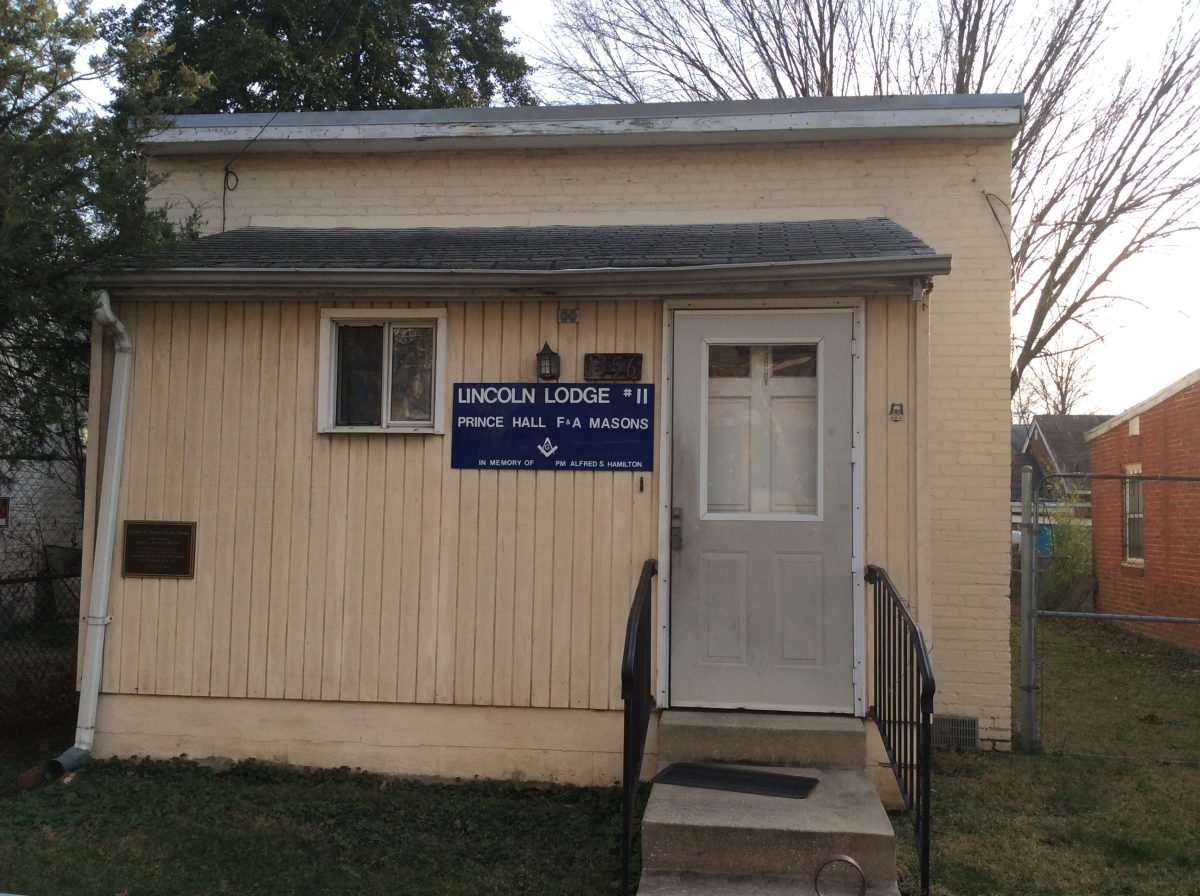
Coming Home to Old Alexandria

Behind the scenes of the Alexandria Gazette Packet’s article on, “Coming Home to Old Alexandria”– dated July 25 – 31, 2019.
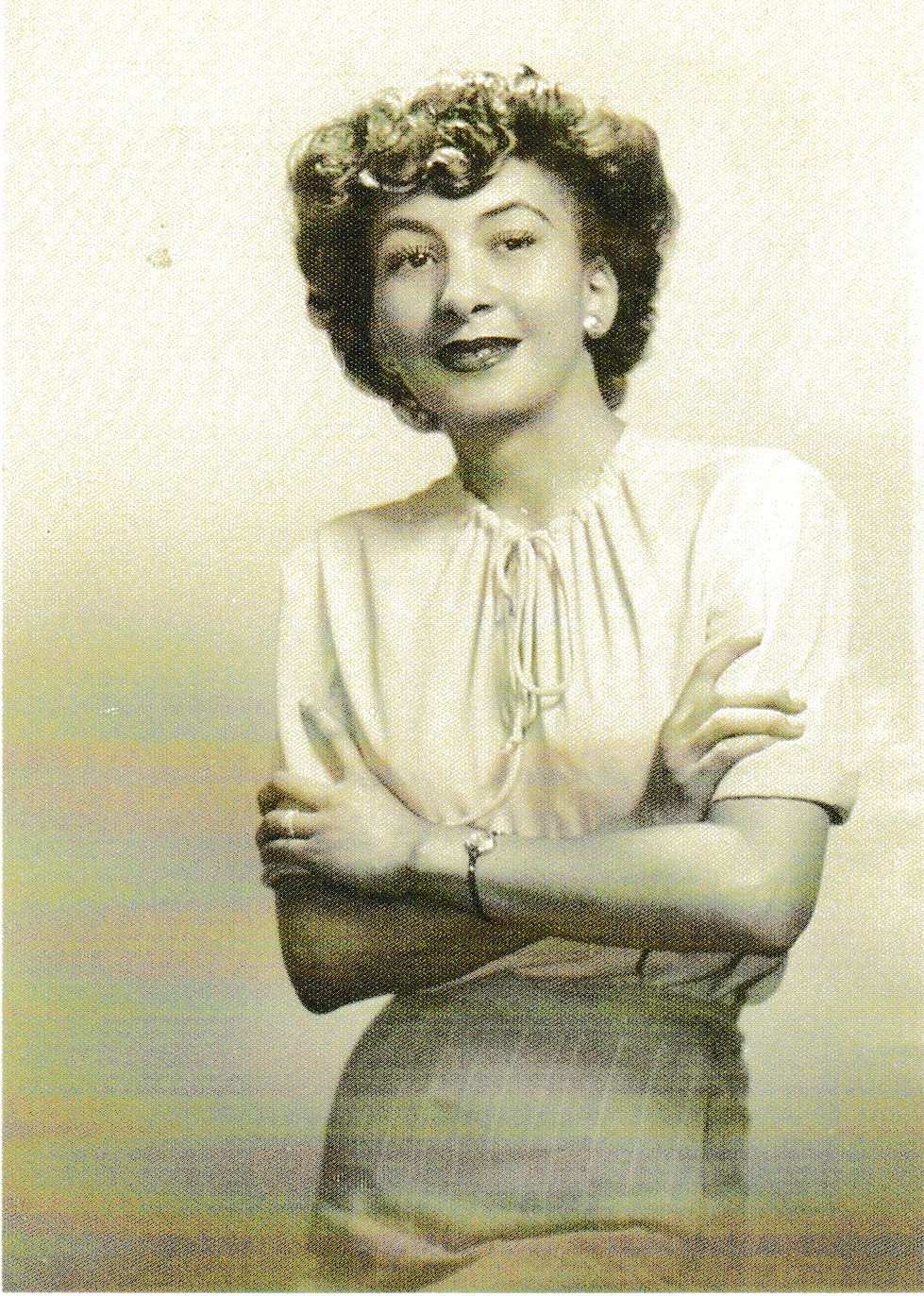
Sherrin’s mother, Helen L. Hamilton Bell

Many African Americans migrated from Alexandria, Virginia for different reasons. The Franklin family migrated early in the 19th century to New York and the District of Columbia; later they migrated to New Jersey, Connecticut, Maryland, Minnesota and Philadelphia.

Sherrin Hamilton Bell, the 2nd great-granddaughter of Harry G. Franklin, who was born in Philadelphia was on a quest to find out about her 2nd great-grandfather. Harry left Alexandria over 100-years ago when he was buried at the Methodist Cemetery in 1901. Sherrin makes her visit to Alexandria after 118-years from the death of her 2nd great-grandfather.

When she came back home to Alexandria, she found that her family had a rich history that they left behind in Virginia. She was able to walk through the Cemetery where Harry G. Franklin and his grandparents were buried. She attended Roberts Memorial United Methodist Church where her ancestors attended in the 1800s. It was like she was walking back in time when she visited the Freedmen’s Cemetery that Harry’s great grandfather buried two of his family members in the 1860s. The Cemetery is located on Washington Street walking distant from the Church her family attended.

Coming home to Alexandria brought Sherrin a place of origin. A place that her family had talked about. A place that her family had been freed people of color as far back as the 1700s.

For more about Sherrin’s journey home, check out the article “Coming Home to Old Alexandria” July 25-31, 2019 in the Alexandria Gazette Packet on page 9 at
http://connectionarchives.com/PDF/2019/072419/Alexandria.pdf.
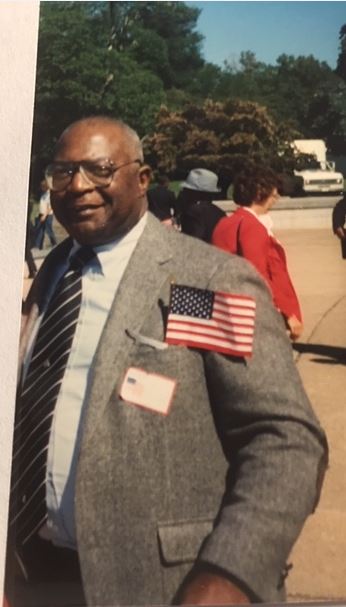
Roger C. Anderson

Roger C. Anderson
1926 – 1999

Behind the scenes of the Alexandria Gazette Packet’s article on, “He Loved His People and His Community”– dated July 4 – 10, 2019.

Mr. Roger C. Anderson was one of several people who helped spark my interest in African American History. I remembered somewhere around 1985 I took a tour of Alexandria African-American sites with Mr. Anderson and others. I was shocked in learning about the Alexandria’s Slave Pen. I was in my late twenties just finding out for the first time about the Alexandria Slave Pen; that part of history was not taught to me in the Alexandria School System.

Our busy lives sometimes make us forget to thank individuals who have impacted our lives in a positive way. Mr. Anderson was one of those people who impacted so many African American children growing up in Alexandria during segregation and the early years of desegregation. The article in the Alexandria Gazette is to publicly tell the story of the contributions that Mr. Anderson made to his people and to his community.

Read more about “Mr. Roger C. Anderson”– dated June 4-10, 2019 in the Alexandria Gazette Packet on page 9 at
http://connectionarchives.com/PDF/2019/070319/Alexandria.pdf.

Remembering “Roro” Scott

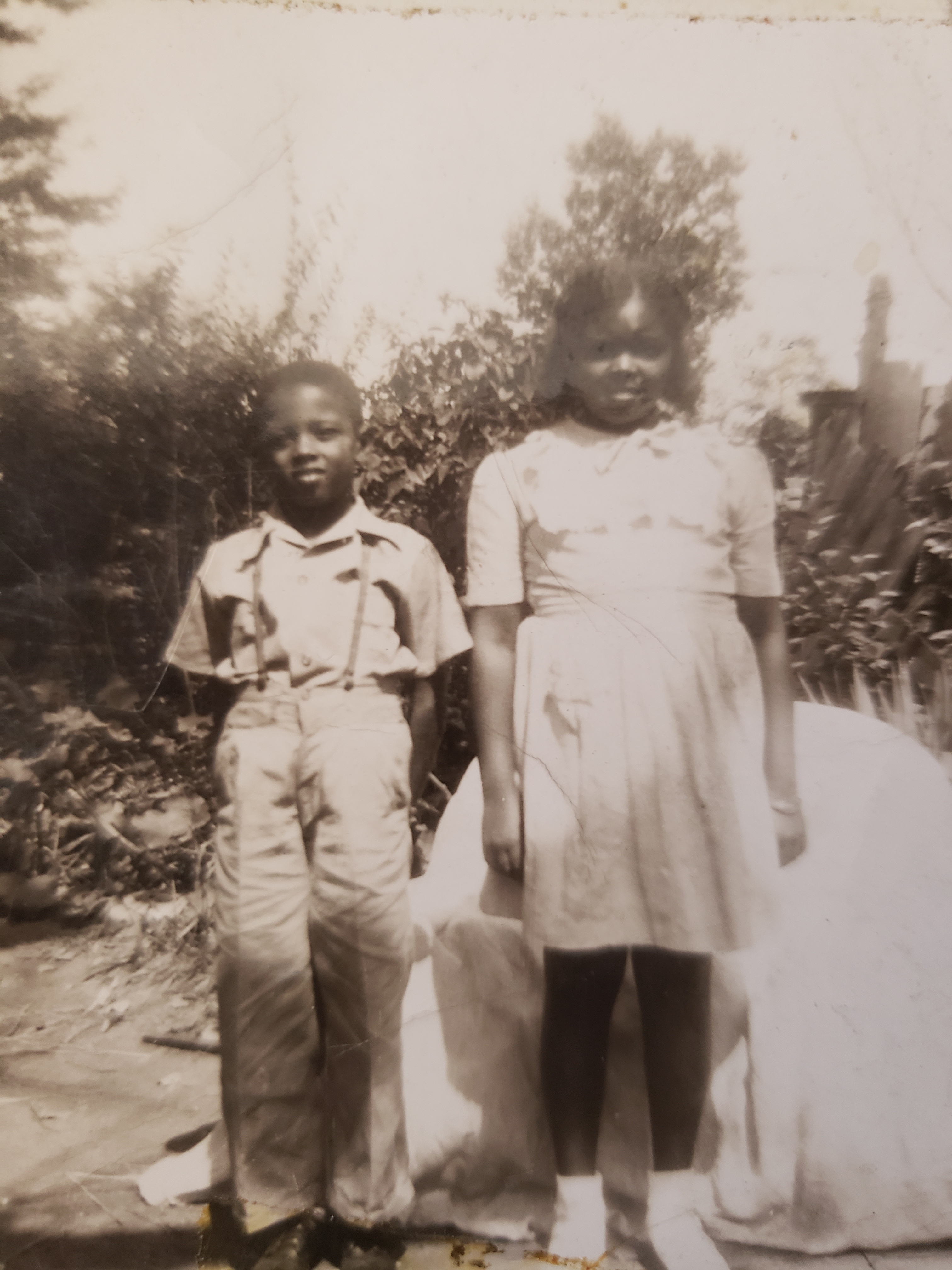
Roland and his sister, Barbara Scott

Behind the scenes of the Alexandria Gazette Packet’s article on, “Remembering ‘Roro’ Scott”– dated June 20-26, 2019.

Parker-Gray School (PG) opened in the school year of 1920 and closed as a high school 45-years later in 1965. During those 45-years, many African Americans in Alexandria, Fairfax (Gum Springs) and other areas came to PG for an education. PG was the only public African American School in Alexandria in 1920 that provided an education from first to seventh grade. In the 1930s, PG added classes to the 11th grade and by the 1950s included the 12th grade. From 1920 through 1965, PG was a segregated school for African Americans. After 1965 school year, the school opened up as a desegregated middle school including white and black children.

Roland “Roro” Scott was one of those students who went to Parker-Gray in the 1950s and excelled in his classes and in sports. He was the son of, Bernard Scott and Iona Marcellus. Roland’s sister was Barbara Jane Scott.

Although Roland’s nickname at Parker-Gray was “Roro,” family members also stated his nickname was “Big Scott.” Roro’s father was also called “Big Scott” until he died 1956.

Today, Roland’s widow, Bettie Garrett Scott, his daughter, Randy Scott and his grandchildren remember “Roro” Scott and all his achievements.

Read more about “Remembering Roro Scott”– dated June 20-26, 2019 in the Alexandria Gazette Packet on page 9 at
http://connectionarchives.com/PDF/2019/061919/Alexandria.pdf.

“Thank You Dad for a Great Childhood”

Behind the scenes of the Alexandria Gazette Packet’s article on, “Thank You Dad for a Great Childhood”– dated June 6, 2019.

Mr. John L. Taylor’s at the Elks Lodge

Mrs. John Leonard Taylor’s maternal family has been in Alexandria, Virginia since the Civil War. This side of his family is connected to the Alexandria Freedmen Cemetery. On Mr. Taylor’s paternal side of the family, his great-grandparents where from Loudoun, Virginia.

Mr. Taylor is the youngest of four children, Donald, Charlene and Alvin. He was born in 1936 and he lived a great deal of his life in segregated Alexandria. Segregation was a way of life for many African Americans prior to 1965, but Mr. Taylor did not let the condition of segregation stop him from carving out a better life for his family. He was able to have a career at the Washington Metropolitan Transit and retired as a supervisor. Mr. Taylor was able to give his two girls an enjoyable life and he was able to purchase his own house.

Looking back, Mr. Taylor had a good life with his wife Beatrice Cross-Taylor, his daughters, parents and siblings. He was able to carve out a little bit of the American dream.

Check out the article “Thank You Dad for a Great Childhood”– dated June 6, 2019 in the Alexandria Gazette Packet on page 10 at http://connectionarchives.com/PDF/2019/060519/Alexandria.pdf.