Behind the scene of the Alexandria Gazette story on Estelle Lane dated January 25, 2018.
In 2008, I was introduced to Estelle Lane’s column at the Barrett Special Collection and Local History Library in Alexandria. The library had a descendant genealogical chart on Estelle Lane’s family from 1870 – 1920s. Unfortunate, the library had no additional information about Estelle beyond the 1920s. I was extremely curious about Estelle and I wanted to know more about her.
I reached out to one of Alexandria’s elders, Mr. Robert Dawkins to see whether he knew any Lane family members from Alexandria. Mr. Dawkins was able to connect me with someone who knew the Lane family and that person was able to connect me to Estelle’s niece, Jean who lives in Maryland. When I talked to Jean, I told her what I knew about her aunt Estelle. Jean was overly surprised about her aunt’s life in Alexandria and that her aunt had a column in the newspaper. Jean connected me to her cousin, Nancy Lane in New York. Nancy was also surprised that Estelle wrote a column in the Alexandria Gazette. She wanted to include her cousin, Grace who lives in Florida, on the discussion of their aunt Estelle.

Working with Estelle’s nieces, we were able to uncover her life from Alexandria to Boston, Massachusetts. Her nieces educated me on Estelle’s life in Boston and I was able to educate them on Estelle’s life in Alexandria.
In researching Estelle, I found information on her father, Sidney prior to his migration to Alexandria. This information included his parents, John and Caroline and Sidney’s siblings, Rachel, Adaline, George and Thomas. Although this information was not put into the article on Estelle, this information provides the family with addition family connections.
1870 Census – Randolph District of Cumberland, Virginia
John Lane age 56
Caroline Lane age 55
Rachel Lane age 33
Adaline age 18
Daniel age 10 (Sidney Daniel Lane)
After the death of Sidney’s parents, he migrates to Alexandria to be with his older brother, George Lane. George was born in Cumberland, Virginia in the 1840s. He was in Alexandria by 1870. George married his first wife, Margaret (Maggie) Anderson on 6 February 1876 in Alexandria. By 1880, George was working at the lumber yard in Alexandria. He and Maggie were living on Cameron Street and they had two children John and Mary. In 1881, George was a laborer for J H D Smoot. Shortly before the death of Maggie, George and his wife had a son, Wesley George Lane. After Maggie’s death, George married Julie Jones on 22 July 1886.
George and Maggie’s son, Wesley George Lane migrated to Pittsburgh, Pennsylvania. Wesley died in Pittsburgh on 8 November 1925 at the age of 39. He was married to Louise Mickey Lane.
Sidney Daniel Lane probably had other relatives in Alexandria. There were several other Lane families in 1870s and 1880s. Sidney left relatives behind in Randolph District of Cumberland, Virginia. Thomas Lane was John and Caroline’s son. Thomas married Tamer Carter in Cumberland County, Virginia on 24 March 1873. They had the following children Daniel, John, George and Louisa. Louisa married James Watkins. On 7 September 1885, Thomas (Tom) Lane died in Cumberland, Virginia.
Sidney and Mary Carter Lane had many children. Their children migrated to several northern States which included Florida, Massachusetts, New York and Pennsylvania. For every generation of the Lane family I researched, I found that they repeated the same given names over and over. These given names were John, Daniel, and George.
If you want to review the Special Collection and Local History’s descendants chart on Estelle Lane’s family, you can view the document at: https://alexlibraryva.org/custom/web/lhsc/genealogyresources/colored_notes/Lane_Report.pdf.
I want to thank the following institute and people who assisted me in researching Estelle Lane:
Barrett Special Collection and Local History Library
Mr. Robert Dawkins
Mrs. Jean Lane Brooks
Miss Nancy Lane
Miss Grace Lane
 In 2015, we celebrated the 150th year anniversary of the end of the Civil War. Now, we are in the 150th year anniversary dates of the “Reconstruction Era”. The Reconstruction Era refers to the period in the United States history that immediately was instituted after the Civil War. This Era was a rebuilding of the Nation and a period of time that the federal government set conditions to include the rebellious Southern states back into the Union. But this also was a period of time for all African Americans to participate in their own destiny and to claim their rightful place among other citizens.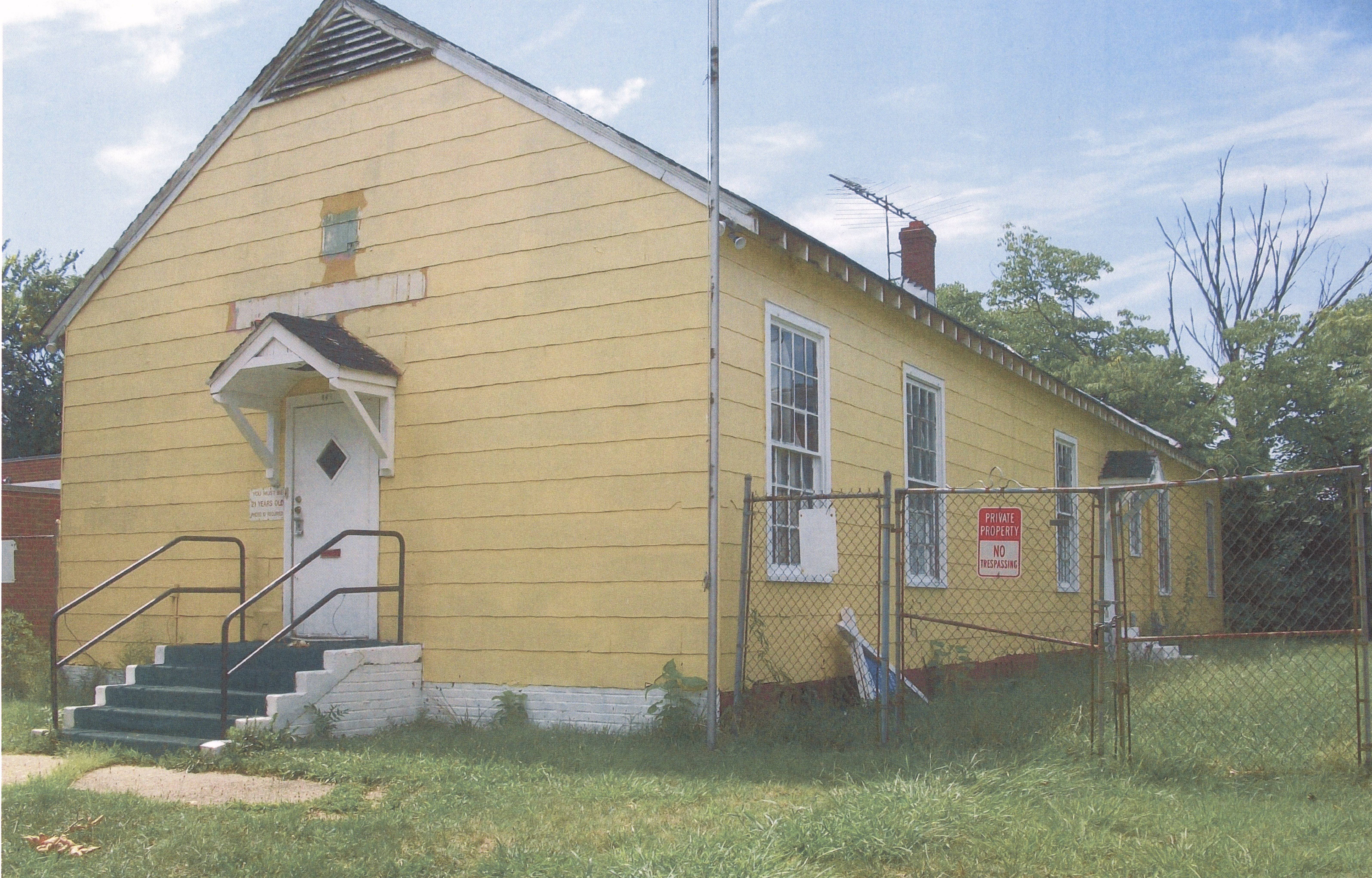
 theotheralexandria